Featuring insights from Kristen, Principal Investigator and Clinician
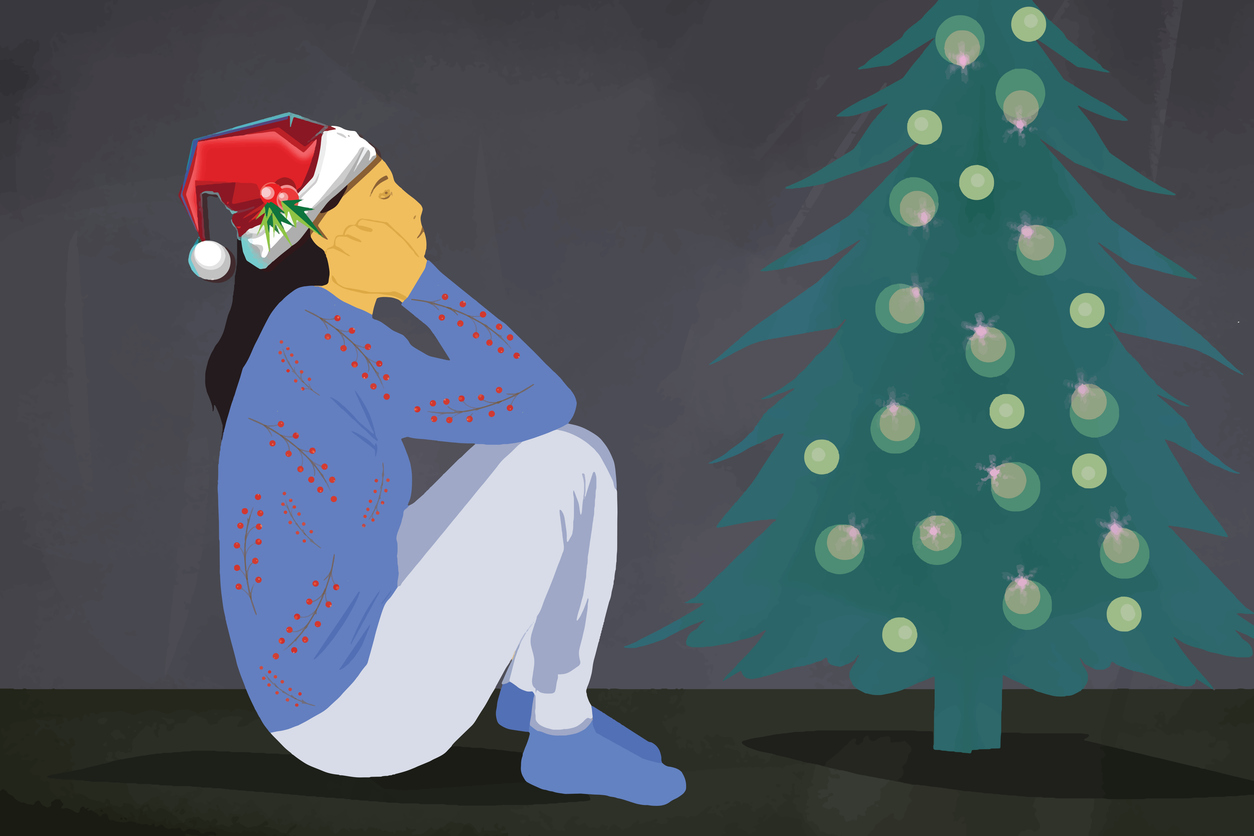
For many people, the holiday season brings joy—but it can also be a time when holiday depression and seasonal depression symptoms become more noticeable. Shorter days, colder weather, and emotional pressures can make feelings of sadness, loneliness, or grief more intense.
In this video, Kristen, a Principal Investigator and clinician at Suburban Research Associates—our sister site in Pennsylvania—talks about how depression can show up during the winter months and why seasonal changes can make symptoms feel more intense.
What Is Holiday Depression? Common Signs to Look For
While depression affects everyone differently, recognizing symptoms early can help you get the support you need. Some common signs of seasonal or holiday-related depression include:
- Persistent sadness or irritability
- Changes in sleep patterns or appetite
- Low energy or ongoing fatigue
- Difficulty concentrating
- Loss of interest in favorite activities
- Feelings of guilt, hopelessness, or worthlessness
Depression is not “just a seasonal slump.” It’s a real medical condition that deserves care, attention, and understanding.
How to Support Your Mental Health During the Holidays
Kristen shares several simple, research-backed ways to improve emotional well-being during the winter season. These strategies can help reduce stress, boost mood, and support overall mental health.
- Get Natural Light When You Can: Even 20 minutes of morning sunlight can positively affect your mood and energy.
- Stay Gently Active: Light exercise—such as stretching, walking, or breathing exercises—can help reduce fatigue and improve emotional balance.
- Prioritize Nutritious Foods: Focus on meals that make you feel good, take your vitamins, stay hydrated, and avoid skipping meals.
- Maintain a Consistent Sleep Schedule: Go to bed and wake up at the same time each day. Create a calming sleep environment to help your body unwind.
- Practice Daily Gratitude: Journaling one thing you’re thankful for each day can shift your perspective and help reduce negative thinking.
- Stay Connected With Others: Social support—whether in person or virtual—plays a powerful role in protecting emotional health.
- Set Healthy Boundaries: It’s okay to say no. You don’t need to attend every event or meet every expectation. Protecting your energy is essential.
- Ask for Help When You Need It: Talking to a trusted friend, therapist, or healthcare provider is an important step toward healing. You are not alone.
Could a Mental Health Research Study Help?
If you’ve been struggling with depression or wondering whether new treatment options might help, Rochester Clinical Research offers opportunities to learn more. Our team can guide you through available mental health research studies and answer your questions with care and compassion.
Participating in a research study is always your choice—but it may offer additional support, access to new options, and deeper insight into your mental health.
👉 Call us at 505.288.0890 or visit our website to learn more about current opportunities.
Mental Health Matters Every Day of the Year
The holidays can bring joy, but they can also be challenging. Remember that support is always available, whether through loved ones, healthcare providers, or research opportunities at Rochester Clinical Research. Taking even one small step toward caring for your mental well-being can make a meaningful difference.