Preparing for Tick Season
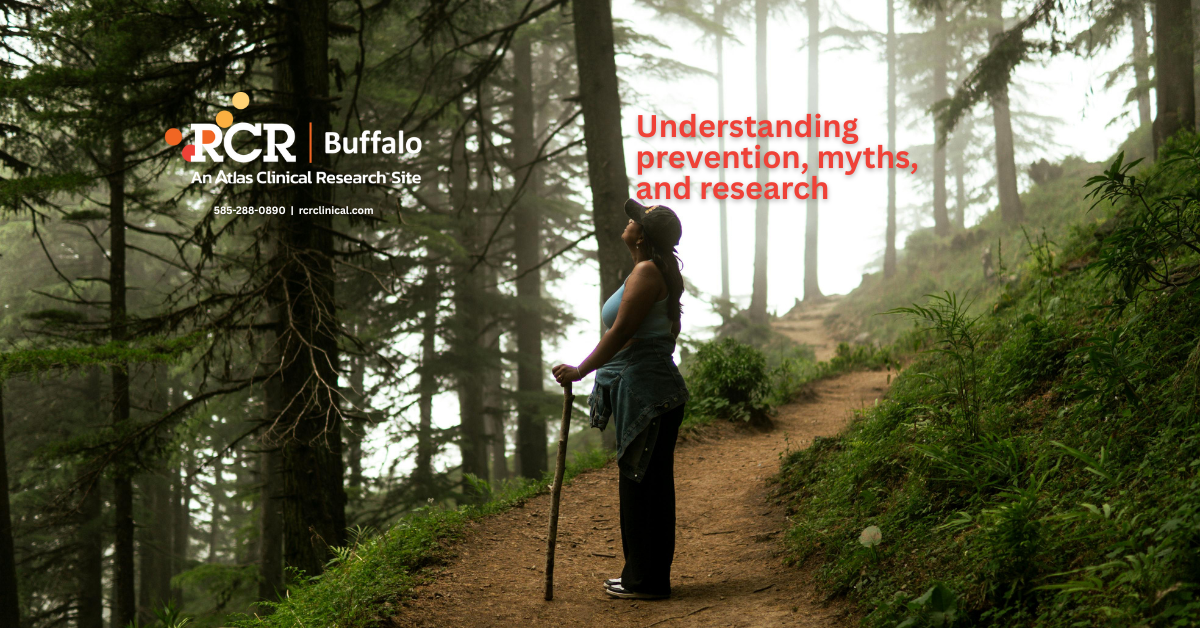
Lyme disease is one of the most common tick-borne illnesses in the United States, spread by the bite of infected blacklegged ticks. With cases rising in many regions and tick season extending into spring and summer, understanding how to prevent Lyme disease is more important than ever.
In this article, we’ll cover practical prevention tips, common misconceptions, and why clinical research plays a vital role in advancing future ways to protect our communities.
What Is Lyme Disease and How It Spreads
Lyme disease is caused by bacteria transmitted through the bite of infected ticks, especially during peak tick season (typically April through September). Ticks live in moist, shaded areas like woodlands, tall grass, and leaf litter.
When a tick attaches to your skin and feeds for long enough, it can pass the bacteria that cause Lyme disease. Removing a tick within 36–48 hours can reduce this risk.
How to Prevent Lyme Disease
There’s no licensed vaccine currently available in the U.S. to prevent Lyme disease, so prevention focuses on reducing tick exposure.
1. Wear Protective Clothing
Long sleeves, long pants, and light-colored clothing make it harder for ticks to reach your skin and easier to spot ticks. Tucking pants into socks can offer extra protection.
2. Use Tick Repellents
Applying EPA-registered repellents on skin and clothing—like DEET on skin and permethrin on clothes—can help deter ticks.
3. Perform Daily Tick Checks
Showering after being outdoors and checking your body for ticks increases the chance of removing ticks before they attach for long periods.
4. Manage Your Yard
Keeping lawns mowed, removing leaf litter, and creating barriers between wooded areas and yards can reduce tick habitat near your home.
5. Protect Pets
Pets can bring ticks into the home. Talk to your veterinarian about tick prevention for animals and check your pets after outdoor activities.
Common Misconceptions About Lyme Disease Prevention
Myth: You Can Rely on One Method Alone
While personal protective measures are recommended, studies show that no single method is completely effective on its own. Regular checks and combined precautions provide the best approach.
Myth: A Vaccine Exists
A vaccine for Lyme disease (LYMERix®) was previously available more than two decades ago but was discontinued. New vaccines are being studied, but none are currently licensed.
Myth: Tick Checks Aren’t Necessary if You Use Repellent
Even with repellents, ticks can still find exposed skin. Daily body checks and prompt tick removal are important steps in preventing infection.
Why Clinical Research Matters — and Why Your Participation Helps
Clinical research is a critical part of developing better tools to prevent and treat diseases like Lyme. Research studies help scientists test new medicines, vaccines, and prevention strategies in real people. These studies:
- Improve scientific understanding of disease risk and prevention
- Advance future prevention options like vaccines or medications
- Help communities by offering rigorous monitoring and care
- Support public health recommendations that can protect more people
When volunteers participate, they contribute to knowledge that may benefit others in the future — including family members, friends, and neighbors.
How to Join a Lyme Disease Prevention Study
Interested in learning more about Lyme disease prevention research? If you live near Buffalo and spend time outdoors, you may be eligible to participate in a Lyme disease prevention study at Rochester Clinical Research.
Learn more about the study
https://rcrclinical.com/studies/lyme-disease-prevention/
You can also call 585-288-0890 to speak with a member of our research team or complete the form on the study page to see if you may pre-qualify.
Taking Steps to Protect Yourself
Preventing Lyme disease means understanding where ticks live, how they spread disease, and using multiple protective strategies to reduce your risk. While no vaccine is currently available, personal protection is key, and ongoing clinical research may bring new ways to prevent Lyme in the future.
By staying informed and, if you qualify, participating in clinical research, you’re helping advance science and protect your community.
References
- CDC Lyme disease general info: https://www.cdc.gov/lyme/index.html
- CDC tick prevention tips: https://www.cdc.gov/ticks/prevention/index.html
- CDC on Lyme disease vaccine status: https://www.cdc.gov/lyme/about/lyme-disease-vaccine.html
- Research on personal protective measure effectiveness: https://wwwnc.cdc.gov/eid/article/14/2/07-0725_article
- Personal protective measures review: https://pubmed.ncbi.nlm.nih.gov/35791092/